More than a reward: 10 reasons why international incentive travel creates lasting impact
Ibiza, Slovenia, Marrakech, Albania, Lapland, Ireland, or perhaps a destination you’ve never even considered? When thinking about incentive travel, the destination is almost always the first thing that comes to mind. But actually, that should be the second question.
The first should be: why do we want to bring these people together on a trip, and what do we want this experience to achieve? An international incentive trip can be an exceptional reward for outstanding performance. But well-designed incentive travel goes much further. With that in mind, here are 10 reasons why a thoughtfully designed international incentive can continue to make an impact long after the return flight.
But first: what is an incentive trip?
An incentive trip is a special travel experience organised by a company to reward, motivate or connect employees, clients, partners or sales networks. It sounds simple. But there is a significant difference between a group trip and a strategically designed incentive. A successful incentive combines appreciation, exclusivity, discovery, storytelling and shared experiences in a programme that reflects the organisation’s culture and objectives, while meeting participants’ expectations.
It’s not just about where you travel. It’s about what happens there, who you share it with and how the experience makes you feel afterwards. That’s why a successful incentive begins long before departure. What do you want to achieve? Do you want to reward or motivate employees, strengthen client loyalty, bring teams closer together or reinforce your company culture? These objectives help shape the destination, programme, communication and the way you evaluate the impact afterwards.
Why travel abroad?
A successful incentive doesn’t necessarily have to take place thousands of kilometres from home. But travelling to a different environment has a unique power.
It takes people away from their everyday surroundings, both physically and mentally. No familiar meeting rooms. No routine. No calendar packed with Teams calls. No heading straight back to your own department after dinner.
Everyone finds themselves together in a new environment. And that’s precisely what creates opportunities for different conversations, new relationships and shared experiences.
Reason 1
Distance creates space for connection
When people spend several days travelling together, the dynamics change.
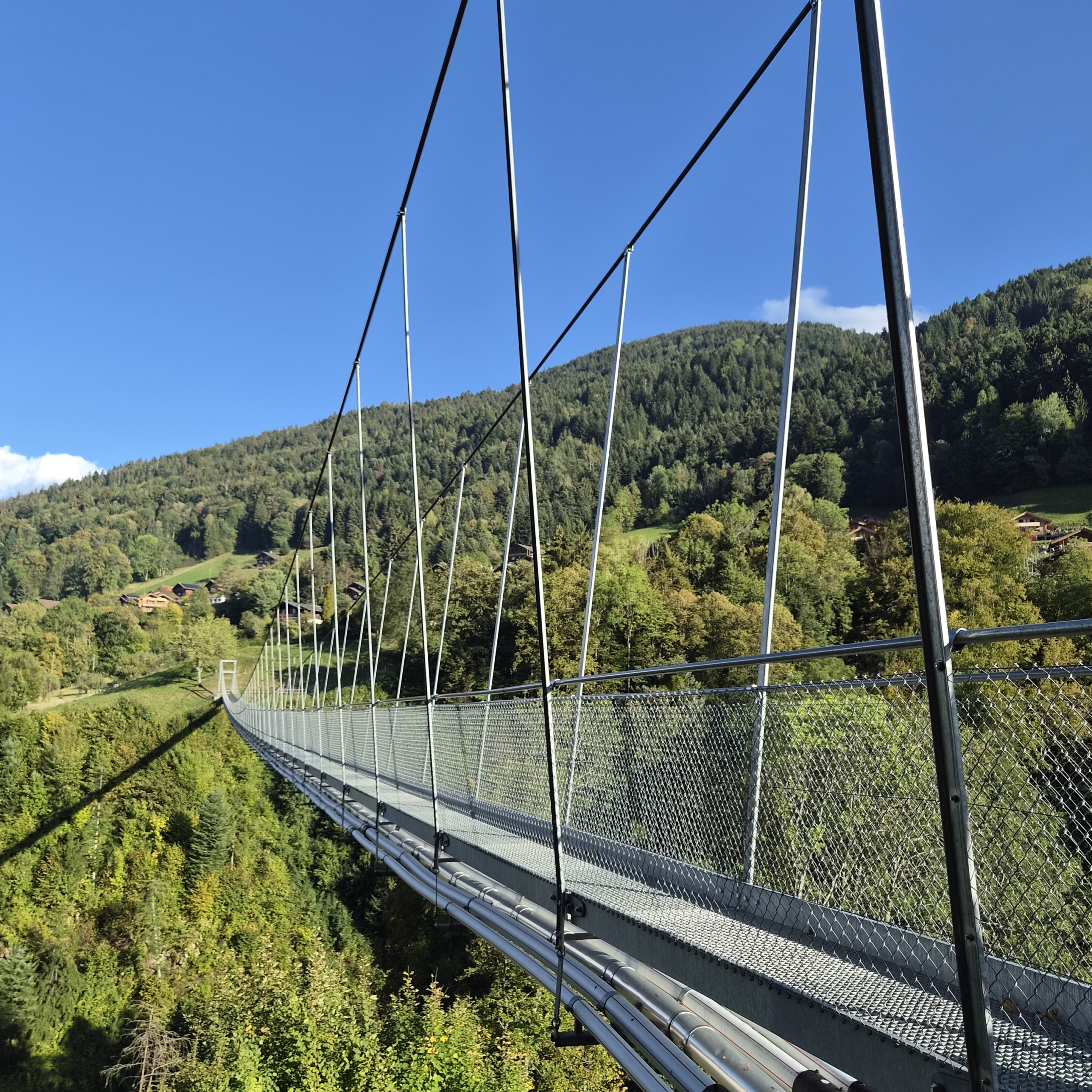
A CEO sits next to a colleague during a local lunch. Two employees who barely speak at the office suddenly share a jeep, boat or mountain cabin. A client and account manager go for a walk and, instead of discussing the next proposal, talk about what matters to them personally.
Hierarchy doesn’t disappear, but it temporarily becomes less dominant. People rediscover each other as individuals.
Reason 2
Shared experiences create stronger memories
People rarely remember every detail of a programme. What stays with them are the moments.
That unexpected encounter with a local entrepreneur. Dinner somewhere participants never knew existed. Watching the sunrise together after an early morning hike. The complete silence of a breathtaking landscape. An unexpected performance. Doing something together that someone initially thought: I’d never dare to do that.
These shared moments create stories that participants will still be telling years later. And that’s what makes incentive travel fundamentally different from many material rewards. You’re not just giving people something. You’re creating something they’ve experienced together.
Reason 3
From reward to recognition
Incentive travel is often described as a reward. But for us, it’s just as much about recognition. A bonus disappears into a bank account. A gift becomes ordinary over time. An exceptional experience, however, can remain associated for years with the organisation that made it possible. That’s why the way an incentive is designed matters so much.
The destination, hotel and programme should all communicate one clear message: we recognise what you’ve achieved, we appreciate it, and this moment is special.
That emotional dimension is difficult to capture in a spreadsheet, but it’s essential to the power of incentive travel.
Reason 4
Incentives can bring company culture to life
An incentive also says something about an organisation.
Does a company choose ultimate luxury or authenticity? Adventure or wellbeing? Local encounters? Gastronomy? Nature? Social impact?
Every choice communicates something. That’s why we never design an incentive separately from an organisation’s identity. A company that places innovation at its core needs a different programme from a family business looking to celebrate connection. A sales incentive for top performers has a different dynamic from an international management offsite or a trip for loyal customers.
Reason 5
A well-designed incentive strengthens connections
A successful incentive is more than a beautiful trip. Increasingly, organisations are thinking carefully about what they want these experiences to achieve.
According to the 2025 Incentive Travel Index by SITE and the Incentive Research Foundation, based on input from more than 2,700 professionals across 85 countries, confidence in the value of incentive travel remains strong. At the same time, organisations are taking a more critical look at how programmes are designed and what impact they create.
We recognise this shift in our conversations with clients. The question is increasingly moving away from “Can you organise a beautiful trip?” towards “How can we use this incentive to genuinely motivate, thank or connect our people?”
And that’s where one of the greatest strengths of an international incentive lies: creating time and space for connection. Away from daily routines, different conversations emerge. Colleagues get to know each other beyond their usual roles and share experiences that, for once, have nothing to do with deadlines, targets or Teams meetings. It’s precisely through experiencing something extraordinary together that different, and often stronger, relationships develop. An incentive therefore becomes more than a standalone perk. It becomes a deliberate investment in people and relationships.
Reason 6
The destination matters, but the story matters more
Of course, the destination matters. It needs to be accessible, safe and attractive, with enough opportunities to create an exceptional programme. But a spectacular destination alone doesn’t make a successful incentive.
That’s why we prefer to start with a story. What do we want participants to feel when they arrive? When should the first surprise happen? When do we want energy, and when do we need calm? Where do we want to bring people together? Which local experience can only happen here? What do we deliberately leave out because it’s too touristy or predictable?
This creates a rhythm. And it’s precisely that rhythm that makes the difference between a collection of activities and one coherent experience.
Reason 7
Off the beaten track, but always with a purpose
We’re noticing that companies are increasingly looking for new and less obvious destinations. International research confirms this trend: almost 70% of buyers in the 2025 Incentive Travel Index are looking for destinations they haven’t used before.
But “new” or “undiscovered” should never become an objective in itself. A destination needs to suit the group, timing, budget, accessibility and desired type of experience. Sometimes Ibiza is the perfect choice. Sometimes it’s Lapland, Marrakech or Scotland. But an unexpected programme in a much more familiar destination can create just as much, or even more, impact.
It’s not distance or exclusivity that determines quality. It’s relevance.
Reason 8
Luxury is not the same as impact
A five-star hotel can be fantastic. But luxury alone doesn’t make an incentive memorable. Increasingly, participants are looking for authenticity, personal attention, flexibility and access to experiences they would struggle to organise themselves as individual travellers.
This also changes our role as an incentive agency. We don’t just look for hotels, restaurants and transport. We look for people, stories and places. A local chef. An inspiring entrepreneur. A guide who reveals a different side of the region. An unexpected way to travel from point A to point B.
Sometimes, the greatest luxury is simply that everything runs perfectly, without participants ever noticing how much organisation goes on behind the scenes.
Reason 9
Behind the magic lies expertise
For participants, an incentive should feel effortless. But behind that seamless experience lies a complex production: flights, hotels, restaurants, transfers, local partners, activities, permits, travel documents, schedules, luggage, last-minute changes and sometimes dozens of small decisions every day. Especially when travelling internationally, a single disruption can affect the entire programme. That’s why experience matters.
Event Masters organises more than 40 international trips and corporate events every year and has a worldwide network of local partners. In 2025, Event Masters was also named Belgian MICE Agency of the Year for the second time in three years. For us, that experience is particularly valuable because it allows us to look beyond what’s written on paper.
What could happen? Where are the risks? What’s plan B? And how do we make sure participants notice as little of it as possible?
Reason 10
The best incentive doesn’t end with the return flight
An international incentive is, of course, an opportunity to celebrate success. But when it’s thoughtfully designed, it achieves much more. It’s not just about what participants experience, but also about the choices behind that experience.
Sustainability is playing an increasingly important role in those decisions. Travelling more consciously doesn’t mean an international incentive has to be any less ambitious. It’s about making smart choices: direct connections wherever possible, working with local partners, avoiding unnecessary transfers and deliberately choosing quality over an overcrowded programme. This way, sustainability isn’t treated as a separate part of the trip, but becomes an integral part of the design from the very beginning.
Ultimately, the true impact is determined by the experiences participants take home. People have shared something extraordinary, outside their everyday reality. They’ve collected stories, deepened relationships and experienced moments they’ll continue to associate with each other and with the organisation for a long time. And that’s exactly why we believe so strongly in incentive travel. The destination takes people somewhere new. The experience brings them closer together.
Frequently asked questions about international incentive travel
What is the difference between an incentive trip and a regular business trip?
A traditional business trip usually revolves around a specific professional assignment. An incentive trip is designed as a reward, a form of recognition or a source of motivation, with a strong focus on experiences, connection and creating something exceptional.
What is a good destination for an incentive trip?
There is no single best destination. The right choice depends on the objectives, target audience, group size, travel period, budget, accessibility and desired experience. That’s why destination selection should only take place after a thorough briefing.
How long does an international incentive trip usually last?
That depends on the destination and programme. Particularly for more distant destinations, it’s important to balance travel time with the time available to enjoy the experience. A more packed programme doesn’t automatically mean greater impact.
How much does an international incentive trip cost?
There is no standard price. Flights, destination, travel period, group size, accommodation, exclusivity and programme all influence the budget. An experienced incentive agency helps invest the available budget in the elements that create the greatest value for participants.
Can an incentive trip be organised sustainably?
Yes. Accessibility, transport choices, accommodation, local suppliers, programme design and social or economic impact can all be considered. Ideally, sustainability should be part of the planning process from the moment the destination and programme are selected.