
Rethinking incentive travel in a changing world
By Olivier Meyskens
Over the past weeks, the world has once again reminded us how fragile geopolitical stability can be. The recent military strikes by the United States and Israel against targets in Iran have further increased tensions in the Middle East, adding another layer of uncertainty to an already complex global landscape.
For many companies, moments like these inevitably trigger the same question: is it still appropriate to organise international travel or incentive trips?
After more than 25 years working in international business travel and corporate events, I have seen this question return again and again. After the attacks of 9/11. During the financial crisis. During the COVID-19 pandemic. And today again, in a world marked by wars, geopolitical tensions and economic volatility.
Each time, the instinct is similar: when the world feels unstable, the reflex is to pause, postpone or stay closer to home. And yet, each time, experience has shown something else as well: people continue to travel but they travel differently and more consciously.
A changing geopolitical map of destinations
Geopolitics undeniably influences where companies choose to travel. Since Russia’s invasion of Ukraine, for example, several destinations in Eastern Europe and the Baltic region – once popular for corporate incentives and leadership retreats – have become less obvious choices for many organisations. Not necessarily because they are unsafe, but because perception and proximity to conflict inevitably influence corporate decision-making.
Similarly, since the escalation of the war in Gaza, destinations such as Israel and Jordan – once highly attractive for corporate travel because of their history, culture and unique landscapes – have temporarily disappeared from many corporate shortlists.
More recently, rising tensions involving Iran have again reminded us how quickly geopolitical dynamics can shift. But if there is one lesson from decades in this industry, it is this: the world never stops moving, destinations evolve, and travel patterns adapt.
Companies simply redirect their attention to places that offer stability, accessibility and inspiration.
Why shared experiences matter more than ever
Paradoxically, the more complex the world becomes, the more valuable real human encounters become. Over the past decade, organisations have become increasingly digital. Hybrid work, remote collaboration and international teams have transformed the way companies operate. Meetings happen on screens. Projects are managed across time zones. Teams collaborate daily without ever meeting physically.
While this has increased efficiency, it has also created distance.
When people travel together, even for just a few days, something fundamentally different happens. Conversations deepen. Hierarchies soften. Ideas flow more freely. Trust builds faster.
That is why international incentives and leadership retreats have evolved far beyond simple rewards. They have become strategic tools for engagement, culture and alignment.
Rediscovering Europe
Another interesting evolution I have observed over the past few years is a renewed appreciation for European destinations. For a long time, long-haul travel was often perceived as the ultimate incentive reward. Exotic destinations, intercontinental flights and distant cultures symbolised prestige.


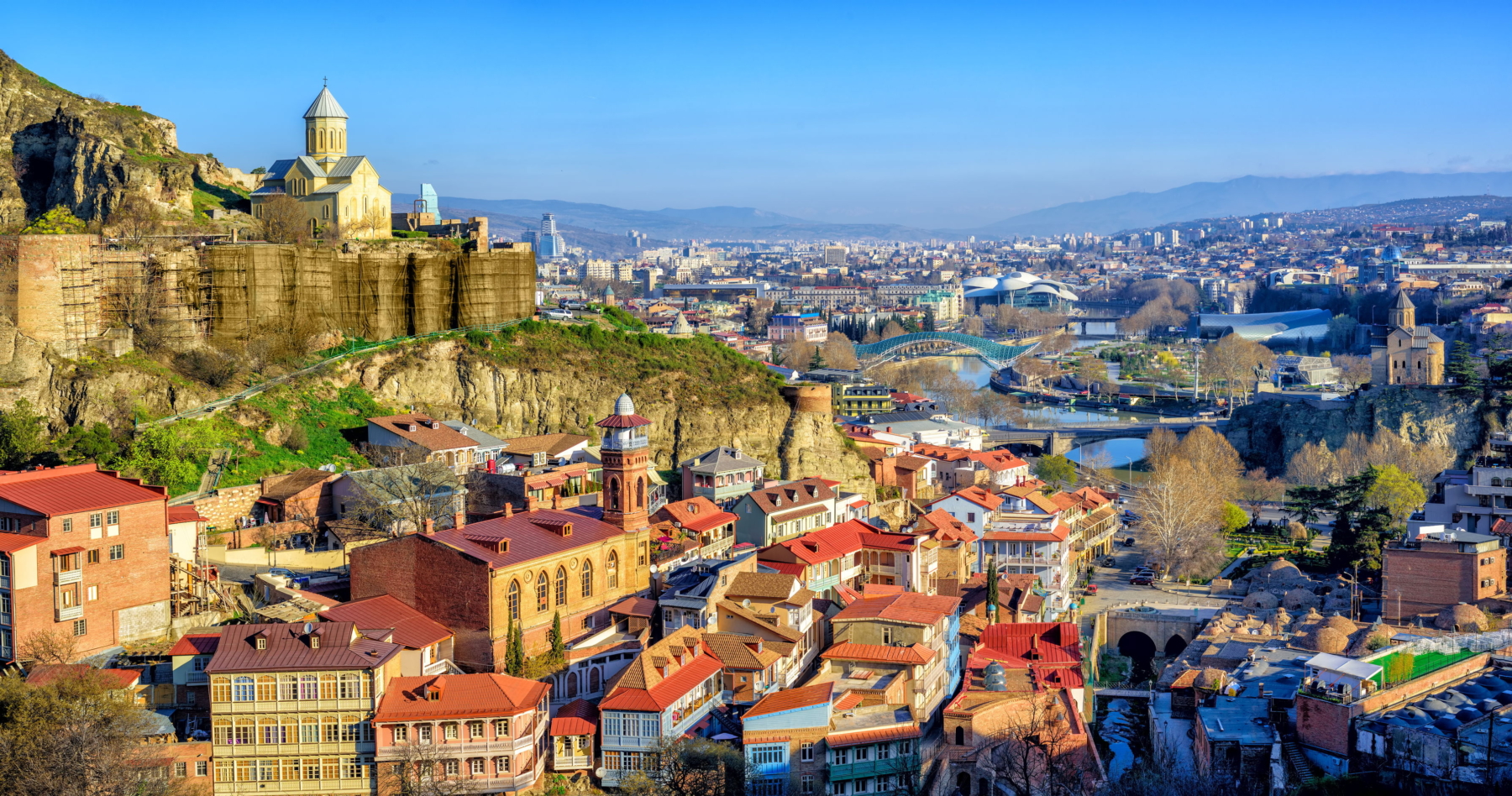
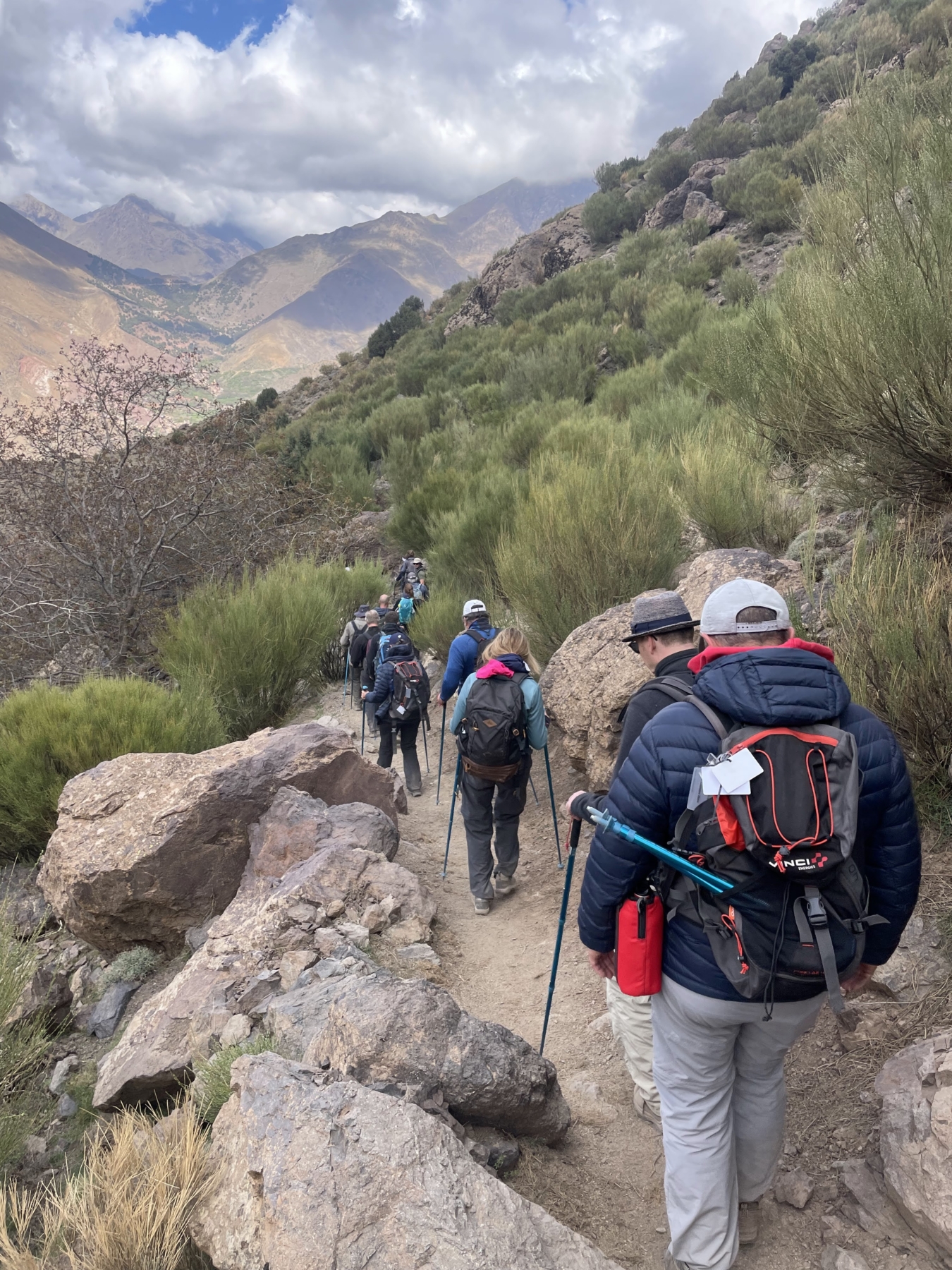

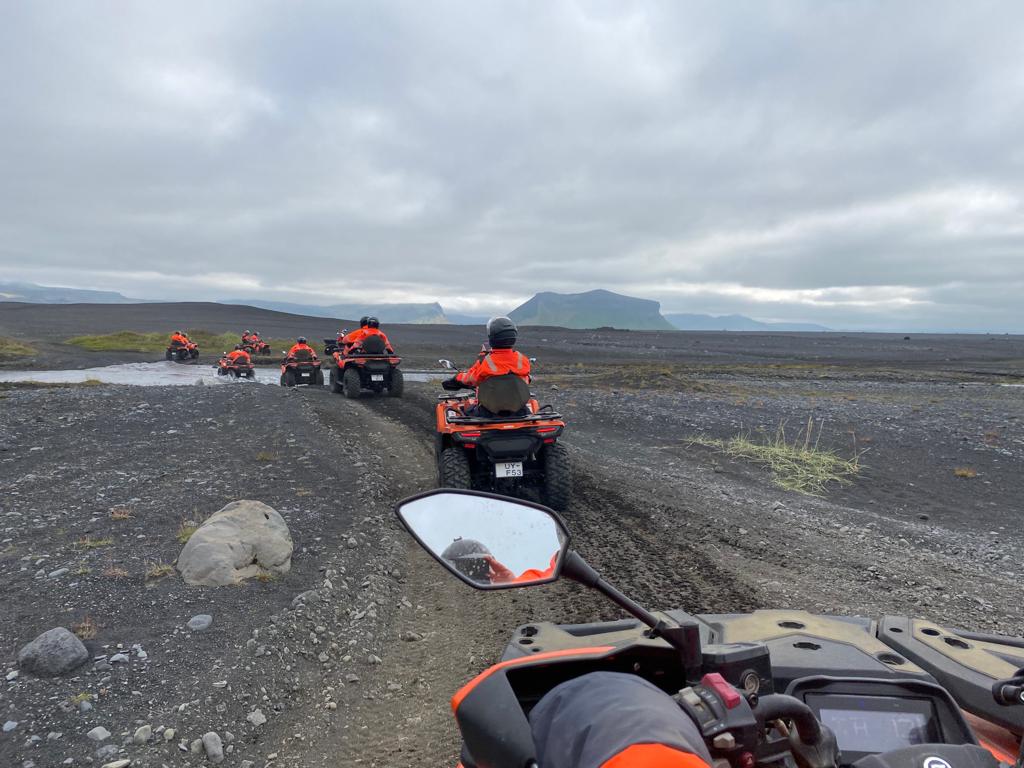
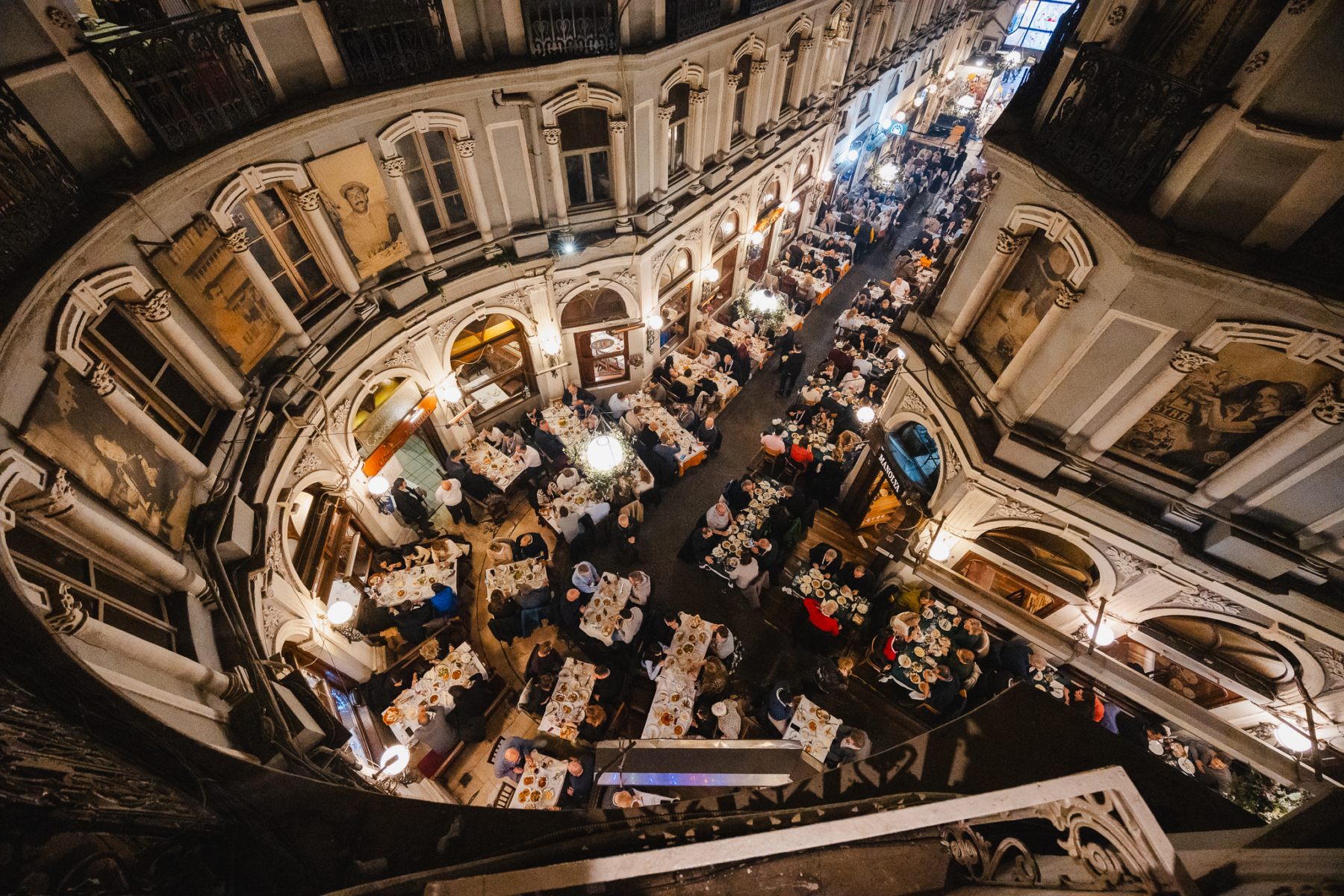
Today, many companies are rediscovering the incredible diversity that Europe itself offers. Within a few hours of travel, teams can move from Arctic wilderness to Mediterranean coastlines, from Alpine landscapes to historic cities shaped by centuries of culture and innovation.
Of course, the great classics remain as attractive as ever. Destinations such as Spain, Italy, France or Ibiza continue to be extremely popular for corporate incentives thanks to their excellent infrastructure, gastronomy, climate and accessibility. These places combine reliability with a relaxed atmosphere that is ideal for networking and celebration.
At the same time, more organisations are also looking beyond these traditional destinations in search of something more distinctive. They are exploring places with strong character and authenticity: the vast snowy landscapes of Lapland, the green valleys of Slovenia, the dramatic coastlines of Portugal, the rugged beauty of Montenegro, or the cultural richness of the Basque Country. These destinations do not rely on spectacle. They offer something deeper: experiences rooted in nature, culture and local identity.
Travelling more consciously
Of course, responsible travel has become essential. Today’s corporate travel programmes require thoughtful planning: risk assessment, reliable local partners, flexible logistics and clear contingency strategies. Companies expect transparency about safety, sustainability and impact.
But this does not mean that travel should stop. Quite the opposite. It means that travel must be designed with greater purpose and awareness.
The most successful incentive programmes today combine exploration with reflection. They integrate leadership discussions, cultural discovery and moments that allow people to reconnect, not only with each other, but also with the mission of their organisation.
The human need to explore
After more than two decades in this industry, I remain convinced of one thing. Humans are curious by nature. We want to explore new places, meet new people and share experiences that stay with us long after we return home.
For companies, these shared experiences remain one of the most powerful ways to build relationships between colleagues, with clients and with partners.
In a world that sometimes feels uncertain and fragmented, travelling together reminds us of something essential: we are part of something bigger than our daily routines or digital meetings. And perhaps that is precisely why, even in challenging times, the value of travelling together remains as strong as ever.